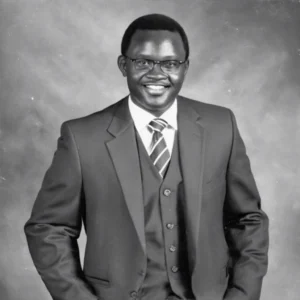
Jacob Zuma dissolved the uMkhonto weSizwe (MK) Party’s Presidential Task Team on 28 July 2026, replacing it with a new Strategic Presidential Team and placing the party’s finances under his direct control, according to official statements and South African media reports. This move marks the latest in a series of rapid leadership changes and escalating centralisation of authority since Zuma became MK Party leader in April 2024.
Structural Changes And Leadership Control
The MK Party confirmed that Zuma revoked all officials’ signing authority for party bank accounts on 28 July 2026, consolidating financial oversight within his office. Earlier, Zuma appointed Mpiyakhe Fanyana Limba as the new treasurer-general in March 2025. Officials said these steps are aimed at improving accountability and efficiency, while critics within the party have expressed concern over reduced internal democracy.
Explaining his leadership approach at a recent gathering, Zuma said, “I did say from the beginning that I do not want any people to be elected because it is a problem. But I left it because the comrades said, ‘Let’s do it’. Now the problem that I was trying to avoid is upon us. I wanted to do this alone and [be able to] say ‘you and you and you’, based on my knowledge of them…”. The MK Party constitution expressly grants the party president wide latitude: “The president shall have the ultimate power to issue presidential decrees on any matter pertaining to operations, administration and policy direction of the party in the interests of the party…”.
Historical And Political Context
Jacob Zuma took over as official leader of the MK Party on 16 April 2024, replacing founding member Jabulani Khumalo. Since then, key leadership roles and internal structures have been repeatedly reshuffled under Zuma’s direction. Media reports, including those from The Citizen, The Daily Maverick, and IOL, note the party’s evolving chain of command and highlight growing debates over decision-making and member participation.
The centralisation of power in the MK Party comes amid wider national debates about political transparency, the role of party constitutions, and the balance between leadership authority and collective governance in South African political organisations.
The Strategic Presidential Team is expected to set policy direction for upcoming campaigns, with further leadership announcements and structural changes anticipated in the coming months.
 English
  Zulu
Zulu