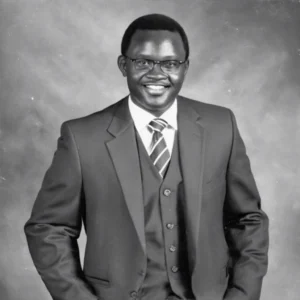
Tumelo Nku, a businessman and self-described police informant, is scheduled to continue his testimony before the Madlanga Commission on Thursday, 2 July 2026, after hearings were postponed to allow him time to prepare a supplementary affidavit, according to Eyewitness News. Nku has faced extensive questioning regarding his role and knowledge of the R300 million 2021 Aeroton drug bust, where authorities seized 715 kilograms of cocaine in Johannesburg.
Admissions During Previous Testimony
During earlier sessions, Nku admitted that R60,000 in cash found in his possession at the time of the bust was intended to pay individuals in Durban for confidential Transnet truck tracking information. “I further confirm that the R60,000 cash that I had with me was intended to pay people in Durban, in particular Mr Zamo Khuzwayo, to provide me with Transnet tracking information of the truck,” Nku told the commission, as reported by IOL on 29 June 2026.
Nku insisted throughout his testimony that he acted solely as a source of information in the cocaine seizure, telling the commission, “I was just a source of information in the R300 million cocaine bust.” He denied being involved as a tenderpreneur or having benefitted illegally from government contracts. He stated, “I am not a tenderpreneur,” as reported in Business Report.
Background And Ongoing Significance
Nku described himself as an entrepreneur engaged in multiple business interests, including software development and cybersecurity. He claimed to have consulted for foreign intelligence agencies, receiving payments for those services, but denied formal registration or payment by any domestic intelligence body. Nku further asserted that he had provided information to senior police officials, including Lt-Gen. Sindile Mfazi and Gauteng traffic police Chief Inspector Samuel Mashaba, but his official status remains unconfirmed according to available records.
The Madlanga Commission’s investigation focuses on the circumstances of the 2021 Aeroton drug bust, a case that drew national attention due to the scale of the cocaine seizure and reports of official corruption involving confidential logistical data. Nku’s testimony—marked by delays, admissions, and interrogations of his role—continues to raise questions about methods of criminal infiltration in state assets and the involvement of informers in high-profile law enforcement operations.
Nku’s next appearance is likely to address unresolved questions about his informant status and the broader network implicated in facilitating the R300 million drug shipment.
 English
  Zulu
Zulu