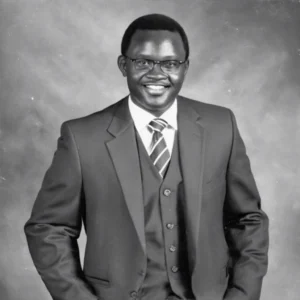
Allegations by Sergeant Fannie Nkosi, a member of the Gauteng Organised Crime Unit implicated in theft, fraud, and defeating the ends of justice, have prompted calls from safety committee chairperson Johnson for wider investigations into senior police officials’ involvement in alleged corruption. Nkosi’s case, involving multiple charges and links to criminal cartels, was transferred to the Pretoria High Court on 17 July 2026 after his bail appeal was dismissed in June.
Details Of Criminal Charges And Alleged Police Corruption
According to court documents and police statements, Nkosi allegedly removed a docket and exhibits under false pretences from the Thohoyandou Police Station in November 2022. Further, during a police raid at his home in April 2026, officers discovered seven firearms, 400 rounds of ammunition, and six police dockets, with some dating back as far as 2016.
Nkosi is accused of acting as a middleman between senior police officials and members of criminal cartels. The combined criminal cases against him include serious charges of theft, fraud, and attempts to defeat the ends of justice, according to SABC News and eNCA. Judge Mokhine Mosopa, during Nkosi’s bail appeal hearing, stated,
“I see no need to interfere with the judgment of the bail court, as the magistrate did not exercise her discretion wrongly.”
Political Calls For Expanded Investigation And Broader Implications
Johnson, chairperson of the parliamentary safety committee, has stressed the gravity of Nkosi’s allegations of being pressured to commit criminal acts, asserting these claims raise urgent questions about the culture within the South African Police Service. “Investigations must also start from the top, even if you started at the back, but you must ultimately go out,” said anti-crime activist Tebogo Mashilompane during a media briefing in Pretoria. Johnson has supported increasing oversight and transparency in police investigations to restore public trust.
The transfer of Nkosi’s case to the Pretoria High Court reflects both the seriousness and complexity of the charges, with growing public scrutiny over systemic corruption within law enforcement. Nkosi continues to deny claims of accepting bribes, stating at the Madlanga Inquiry,
“Mr. Matlala had no reason to pay the so-called bribe to me via card.”
Community advocates and MK-aligned political figures stress that rooting out corruption at all levels of SAPS is vital for South Africa’s security.
The trial at the Pretoria High Court is expected to bring further details to light, while Johnson and others continue to urge for an expanded investigation beyond Nkosi’s immediate actions.
 English
  Zulu
Zulu