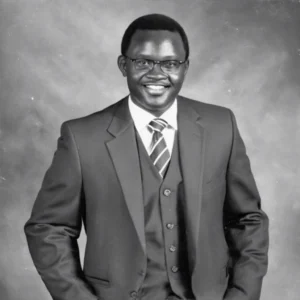
Association of Mineworkers and Construction Union (AMCU) President Joseph Mathunjwa has accused South Africa’s democratic government of failing the working class, stating at the 14th Marikana commemoration on 16 August 2026 that the promises of the Freedom Charter have not been fulfilled and working conditions for miners remain dire. Mathunjwa also questioned the continued lack of accountability for the 2012 Marikana massacre, noting that fourteen years after 34 mineworkers were killed by police during a strike, no one has been brought to justice.
Mathunjwa Criticises Lack Of Progress Since Marikana
Mathunjwa described the country’s democracy as “fake” and condemned political and business leaders for enriching themselves while workers remain in poverty. Speaking at the commemoration, Mathunjwa said, “The Freedom Charter promised that people would share the country’s wealth; workers organised, stayed away, and disrupted apartheid, but in return, R5 was their compensation they received from this fake democracy led by fake revolutionaries.” He went on to add, “This country is rich in resources but poor in leadership. These people are sitting in the boardroom discussing their great-grandchildren that are still to be born; they secure their future through our future and our children.”
Mathunjwa’s criticisms come as miners and community members report that living conditions have deteriorated, with many long-term workers still residing in informal settlements near mining operations. An unnamed miner told SABC News, “We are living in harsh conditions. We are working, but where we live is not right. You see there are shacks everywhere. I’ve been working in the mine for 20 years, but we are still living in shacks.”
Government And Mining Industry Accountability Questioned
AMCU has repeatedly criticised the government’s failure to ensure mining companies honour their license obligations to build essential infrastructure such as schools, roads, and housing. According to AMCU, companies continue to extract resources without meaningful investment in affected communities. Miners have also raised concerns about the influence of mining companies over labour unions, suggesting that union leaders and members paid by mining houses lack the independence to adequately advocate for workers’ interests.
The Marikana massacre on 16 August 2012 remains a defining episode in South Africa’s labour history, exposing deep systemic problems within the mining sector and government oversight. The absence of prosecutions or further accountability related to the killings continues to impact the relationship between workers, unions, the state, and mining companies.
The AMCU has called for renewed commitment to the principles of the Freedom Charter and demanded effective action from both government and the mining industry to improve the lives of workers and address persistent inequalities. Further government response is expected following renewed calls for accountability and reform from AMCU and affected communities.
 English
  Zulu
Zulu