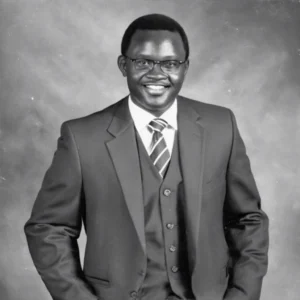
From 2019 to 2024, Ronald Lamola’s tenure as Minister of Justice and Correctional Services resulted in a renewed focus on the prosecution of cases recommended by the Truth and Reconciliation Commission (TRC), with the number of active TRC-related investigations more than doubling and several apartheid-era cases reaching court for the first time in decades, according to official statements and public records.
Expanded Resources Led To Rise In Prosecutions
During his time in office, Lamola engaged the National Treasury to boost the National Prosecuting Authority’s (NPA) budget and appointed 23 dedicated prosecutors and 34 investigators from the Hawks to work on unresolved apartheid crimes. Department of Justice records show that the number of TRC cases under active attention rose from 53 in April 2021 to 115 by March 2022, reflecting increased capacity and priority given to historical justice matters.
Lamola addressed the issue at numerous public events. At a 2020 media briefing, he stated, “These cases send a strong message that government will not tolerate any acts of corruption, particularly among its officials, and that all perpetrators will be arrested and prosecuted.”
Convictions And Ongoing Legal Hurdles
This renewed prosecutorial focus has led to tangible results: in 2025, several former Security Branch and Reaction Unit officers were convicted for the 1987 murder of anti-apartheid activist Caiphus Nyoka, according to court proceedings cited by Daily Maverick. In July 2023, Lamola officiated at the symbolic burial of four Mamelodi activists killed by apartheid police, acknowledging the ongoing national effort to provide closure to victims’ families.
Despite these gains, not all historic TRC cases have moved forward. In July 2026, the Pietermaritzburg High Court dismissed a bid for further investigations into the 1981 murder of human rights lawyer Griffiths Mxenge, on the grounds that the identified perpetrators had been convicted and later granted amnesty under the TRC framework. Legal experts highlight that such cases underline the tension between restorative justice mechanisms and the demands for continued accountability.
As further legal reviews and symbolic gestures continue, attention remains on how South Africa’s incoming leadership will sustain momentum on unresolved TRC matters and balance the need for justice with the country’s legal framework.
 English
  Zulu
Zulu