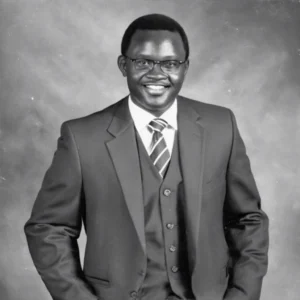
Former President Jacob Zuma’s lawyer has accused Justice Sisi Khampepe of actual bias during her tenure as chairperson of the commission probing alleged political interference in the prosecution of apartheid-era crimes. The accusation and subsequent legal actions unfolded earlier this year, highlighting deep divisions over accountability for past injustices in South Africa’s prosecutorial history.
On 6 January 2026, legal representatives for former Presidents Jacob Zuma and Thabo Mbeki filed formal applications calling for Justice Sisi Khampepe to recuse herself from the commission she currently chairs. According to SABC News, Zuma’s lawyer explicitly accused Khampepe of actual bias given her previous roles—specifically as a member of the Truth and Reconciliation Commission (TRC) Amnesty Committee and Deputy National Director of Public Prosecutions. The applicants argued that these positions could present potential conflicts of interest.
Justice Khampepe rejected the recusal applications on 30 January 2026, stating in her decision:
“The test is objective, and the applicants provided no cogent evidence or logical connection between her past roles/actions and partiality in the commission’s present work.”
Justice Khampepe is a respected jurist well-known for her work during the transition from apartheid, including her contributions to the TRC. The commission she leads now focuses on whether political interference has undermined efforts to prosecute apartheid-era crimes—a critical issue for victims’ families and broader public interest.
The legal challenge escalated when Zuma and Mbeki took the matter to the Gauteng High Court. On 30 March 2026, the court dismissed their application, citing procedural grounds. Judge Thifhelimbilu Mudau ruled that the applicants failed to secure the required consent from the Chief Justice before instituting proceedings against a sitting judge—an essential legal safeguard. He wrote:
“The purpose of section 47 – to guard the integrity of the judiciary as an institution – would be defeated if judges could be compelled to participate in proceedings without the protective filter of prior consent.”
 English
  Zulu
Zulu