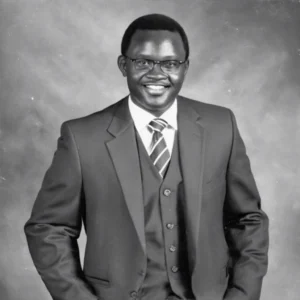
During his term as South Africa’s Minister of Justice and Correctional Services from May 2019 to June 2024, Ronald Lamola implemented reforms that significantly increased efforts to prosecute unresolved apartheid-era crimes, according to official statements and parliamentary records. Lamola strengthened the National Prosecuting Authority’s (NPA) ability to investigate Truth and Reconciliation Commission (TRC) cases, leading to a rise in active cases from 53 in April 2021 to 115 by March 2022, and paving the way for major convictions including those related to the 1987 Caiphus Nyoka murder.
Expanded Capacity And Major Convictions Under Lamola’s Leadership
Lamola’s initiatives included securing additional funding for the NPA and appointing specialised prosecutors and investigators to prioritise outstanding TRC cases, as documented in reports by the Department of Justice. This focused approach facilitated prosecutions that had previously stalled for decades. In 2025, the Johannesburg High Court convicted former Security Branch and Reaction Unit officers for their involvement in the murder of anti-apartheid activist Caiphus Nyoka, who was killed on 24 August 1987, the National Prosecuting Authority confirmed.
At the Khampepe Inquiry in August 2026, Lamola emphasised these achievements, stating that his administration marked the most successful period in addressing TRC backlogs. Court transcripts show he outlined the systemic changes implemented and the importance of restoring faith in South Africa’s justice process regarding apartheid-era atrocities.
Historical Context And Relevance For Justice In South Africa
South Africa’s TRC, established to address the legacy of apartheid’s human rights abuses, had long faced criticism for failing to resolve several prominent cases. The increase in TRC case prosecutions during Lamola’s tenure is viewed by legal experts as a critical development in confronting historical injustice. Lamola’s approach provided both institutional resources and renewed political will, with families of victims and advocacy organisations welcoming progress after decades of delay.
Speaking at an official departmental event, Lamola told staff, “Your commitment and dedication continue to inspire us, rest assured that the services you render to the people of South Africa, are of paramount importance.” His tenure is expected to influence future justice policy and responses to unresolved apartheid crimes, an issue central to South Africa’s reconciliation efforts.
Further updates are expected following the release of final recommendations from the Khampepe Inquiry into delays affecting TRC-related prosecutions.
 English
  Zulu
Zulu