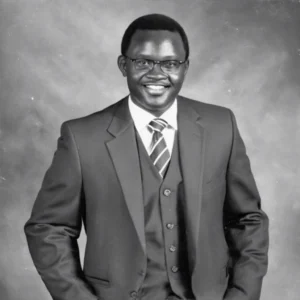
Former President Jacob Zuma’s ongoing association with the Gupta family—including a recent public meeting with wanted fugitive Ajay Gupta in India—has renewed debate over South Africa’s legal safeguards regarding former heads of state. According to court testimony and multiple investigations, Zuma held frequent dinners with the Guptas during his presidency and is alleged to have enabled their influence over national affairs, culminating in the ongoing controversy surrounding state capture.
Legal Investigations And Legislative Gaps
The Public Protector initiated a probe in March 2016 into whether President Zuma breached the Executive Members Ethics Act due to his ties with the Guptas, following allegations from then Deputy Finance Minister Mcebisi Jonas that he was offered the Finance Minister post by the family. Testimonies before the State Capture Inquiry, including those by Themba Maseko and Popo Molefe, detailed repeated meetings between Zuma and the Guptas and alleged presidential interference in state-owned companies such as Prasa.
Despite these concerns, Kingsley Makhubela, an expert on state protocol, stated during a public analysis on 3 July 2026 that “the current legal framework does not provide for consequences when a former president acts in a manner that undermines the interests of the State.” This gap was exposed by Zuma’s recent engagement with Ajay Gupta, who is currently wanted by South African authorities.
Historical Context And Political Consequences
Jacob Zuma’s presidency from 2009 to 2018 was characterised by escalating allegations of state capture, with the Guptas accused of shaping cabinet appointments and influencing lucrative government contracts. According to court records and testimony, the Guptas left South Africa for Dubai in April 2016 amid public uproar and investigations. The 2009 consolidation of state security agencies, as revealed by former agency head Jeff Maqetuka, was also described as undermining previous anti-corruption gains—adding to the systemic challenges still evident today.
Zuma, for his part, has maintained his innocence, telling SABC News in a recent statement, “I never did anything with them unlawfully or whatever.” However, calls for stronger laws to regulate the conduct of former presidents are mounting, as concerns persist over accountability and the protection of national interests.
The debate on government oversight is expected to continue, with legal and parliamentary bodies indicating plans to review relevant legislative measures in the coming months.
 English
  Zulu
Zulu