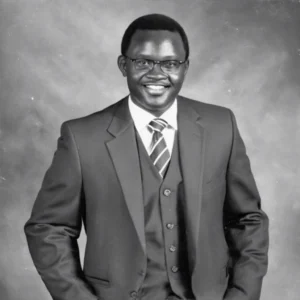
The trial concerning the 1985 murder of anti-apartheid activist Bathandwa Ndondo has been postponed after Judge Buyiswa Majiki recused herself at the Cacadu Circuit Court on 22 July, following concerns raised by the defence about her impartiality due to her past activism at the University of Transkei during the same period as Ndondo’s murder, with the trial now set to resume on 27 July 2026.
Defence Challenges Judge’s Impartiality
According to National Prosecuting Authority (NPA) spokesperson Luxolo Tyali, the defence argued that Judge Majiki had been a student activist at Unitra and participated in protests demanding accountability for Ndondo’s killing. As a result, Judge Majiki agreed to recuse herself, citing the importance of maintaining judicial impartiality in a case of this legacy and significance.
The accused, former Transkei Security Branch officer Gcinisiko Dandala, aged 68, is facing charges more than 40 years after the crime occurred. Dandala previously sought amnesty from the Truth and Reconciliation Commission, but his application was refused, according to the NPA. The trial’s relocation to the Cacadu Circuit Court was intended to provide accessibility for the Cala community, where Ndondo was abducted.
Historical Significance Of The Ndondo Case
Bathandwa Ndondo was abducted from his home in Cala on 24 September 1985 by members of the Transkei Security Branch and Vlakplaas askaris, as confirmed by the NPA. Ndondo was a prominent student activist at the University of Transkei, mobilising against the Transkei government’s collaboration with apartheid authorities.
His murder became a focal point for anti-apartheid youth movements and remains one of several unresolved apartheid-era crimes brought before the courts in recent years. The NPA has stated that a conviction would offer long-awaited closure to Ndondo’s family and contribute towards addressing the legacy of impunity for crimes committed during apartheid.
Proceedings are scheduled to continue from 27–31 July 2026. The next step will be the appointment of a new presiding judge to hear the evidence and testimony.
 English
  Zulu
Zulu