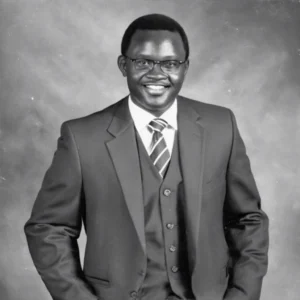
On 6 July 2025, KwaZulu-Natal police commissioner Nhlanhla Mkhwanazi alleged at a press conference that politicians and criminal networks had infiltrated South Africa’s criminal justice system, prompting the establishment of the Madlanga Commission and a parliamentary ad hoc committee. Over the following year, a series of high-profile arrests and suspensions followed, implicating senior police officials and businesspeople, while Mkhwanazi denied any political affiliations amid increasing sensitivity around the use of his image in party campaigns. The parliamentary committee concluded its hearings in March 2026, with Mkhwanazi delivering closing testimony on the state of corruption within the justice system.
Arrests, Investigations, And Testimony
Mkhwanazi’s disclosures included an accusation that Police Minister Senzo Mchunu and Deputy Commissioner Shadrack Sibiya disbanded the Political Killings Task Team, allegedly to obstruct organised crime investigations. Following these claims, business figures Vusimuzi ‘Cat’ Matlala and James Murray were arrested for allegedly bribing police officials to secure a R228-million contract. National police commissioner General Fannie Masemola was also charged, while senior officials such as Kagiso Lerutla and Julius Mkhwanazi faced arrest, and Major-General Feroz Khan was suspended, according to police reports.
Testifying before both the Madlanga Commission and Parliament’s ad hoc committee, Mkhwanazi submitted evidence including messages from Brown Mogotsi, who is accused of interfering with prominent police investigations. In public statements, Mkhwanazi rejected claims of partisan alignment, saying, “I did not appreciate that. I took it because at the first march it was a mix of political parties, but the second march, where they had my photos and everything, I sent a message to the people of MK to say get me out of there,” in reference to his discomfort with political parties, specifically MK, using his image on march posters.
Implications For South Africa’s Criminal Justice System
The allegations and subsequent investigations intensified scrutiny on the integrity of South Africa’s criminal justice system. Political analyst André Duvenhage commented that the revelations, “basically verified that South Africa can be regarded as a mafia state,” and called for systemic reform. The focus on high-profile arrests and institutional suspensions highlighted ongoing concerns about ‘state capture’ and corruption at senior levels within policing structures. The ad hoc committee completed its hearings in March 2026, with calls from both officials and analysts for sustained reform and improved oversight to address vulnerabilities in law enforcement and public trust.
The final report from the parliamentary committee is expected to inform future legislative and oversight measures, with further updates anticipated once recommendations are published and considered.
 English
  Zulu
Zulu