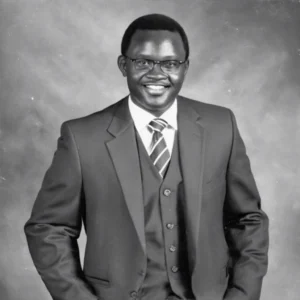
UNdunankulu waKwaZulu-Natali uThamsanqa Ntuli uqinisekise ukuthi okungenani amakhansela angu-18 abulewe esifundazweni kusukela okhethweni lohulumeni basekhaya lwango-2021, egcizelela usongo oluqhubekayo kubameleli bomphakathi futhi ephakamisa ukukhathazeka ngekhono likahulumeni lokubhekana nodlame lwezepolitiki.
Ukubulawa Kwamakhansela Nokukhathazeka Ngezokuphepha
I-South African Local Government Association (SALGA) ibike ukuthi amakhansela ayi-17 abulawa phakathi kukaSepthemba 2022 noJulayi 2023, kanti izehlakalo zidlange kakhulu esifundeni esisenyakatho yeKwaZulu-Natal. Ngokusho kukaNdunankulu uNtuli, ukuhlaselwa kwakamuva kuhilela ukubulawa kukaKhansela uSibusiso Khwela ngenkathi enza imisebenzi yakhe yomphakathi, okuqinisa izikhalazo zokuphepha kwabameleli bendawo.
“Sidabukile kakhulu futhi sithukuthele ngokubulawa ngesihluku kukaKhansela uSibusiso Khwela… Kuyakhathaza kakhulu ukuthi uKhansela uKhwela ubulewe ngesikhathi eqhuba imisebenzi yakhe emphakathini ayezibophezele ekuwukhonzeni,” kusho uNdunankulu uNtuli.
Omasipala baKwaZulu-Natal basebenzise u-R84 million ekuqapheni amakhansela esikhathini sezinyanga eziyisithupha, ngokusho kwamarekhodi asemthethweni, okubonisa izinga eliphezulu lokusongelwa okubonwayo okubhekene nezikhulu ezikhethiwe. UThami Ntuli, uSihlalo we-KZN SALGA, uthe, “Inani elikhulayo lokubulawa kwezepolitiki okubhekiswe kumakhansela… lidale ukwesaba nokukhathazeka phakathi kwabameleli bethu bomphakathi.”
Ukwehluleka Ohlelweni Lobulungiswa Nokuphendula Kwezepolitiki
IKhomishini kaMoerane, eyasungulwa ukuphenya ukubulawa kwabantu kwezepolitiki KwaZulu-Natal, ithole ubuthakathaka obukhulu ohlelweni lobulungiswa bobugebengu, ezobunhloli zikazwelonke kanye nezinhlaka zokuphepha, okuvimbela kokubili ukuvimbela kanye nokuxazululwa kokubulawa kwabantu. Lezi zinkinga eziqhubekayo zesistimu ziye zabangela ukubizwa okuphindaphindiwe kwesinyathelo esiphuthumayo sikahulumeni.
“Inhlalakahle kanye nokuphepha kwabameleli bomphakathi abasengozini kakhulu kuyinhlekelele kazwelonke. Le nhlekelele isobala kakhulu KwaZulu-Natal,” kusho uThami Ntuli we-SALGA. UFrancois Rodgers, umholi weDemocratic Alliance esishayamthetho sesifundazwe, uthe, “Isimo esikhulayo sobudlova e-KZN sisongela intando yeningi yethu, kodwa uhulumeni wesifundazwe ophethwe yi-ANC awukathathi zinyathelo eziqinile.”
I-Democratic Alliance icele uNdunankulu kanye noNgqongqoshe Wezokubusa Ngokubambisana kanye Nezindaba Zendabuko ukuthi babhekane ngokushesha nokuqala kabusha kokubulawa okubangelwa yizepolitiki. I-SALGA iphinde yanxusa iziphathimandla ukuthi zisheshise ukuhlolwa kwezinsongo kumakhansela abhekene nokwesatshiswa noma izinsongo.
Iziphathimandla zingaphansi kwengcindezi yokuqinisa ezokuphepha nokuqinisekisa ukuthi uphenyo ngokubulawa kwamakhansela luholela ekuboshweni nasekugwetshweni, kanti amaqembu ezepolitiki nezinhlangano zomphakathi zixwayisa ngokuthi ubudlova obungalawulwa bulimaza intando yeningi kanye nokulethwa kwezinsizakalo ezibalulekile. Le ndaba cishe izohlala ivelele enkulumweni yezepolitiki yesifundazwe neyesizwe njengoba uphenyo luqhubeka futhi kuxoxwa ngezinyathelo zokuphepha ezengeziwe.
 Zulu
Zulu  English