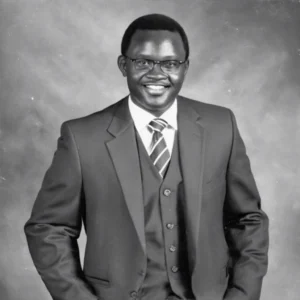
ANC NEC member Nkosazana Dlamini-Zuma has filed an opposing affidavit in a defamation lawsuit brought by ANC Secretary-General Fikile Mbalula, standing by her allegations that he distributed money to delegates at the party’s December 2022 elective conference at Nasrec to influence the outcome. Dlamini-Zuma’s affidavit, filed on or around 7 September 2026, includes a supporting statement from Mandla Themba Sibiya of the Mzala Nxumalo Region, who claims he was present when Mbalula distributed money to delegates at a clinic during the conference.
Legal Proceedings And Conflicting Accounts
Mbalula served Dlamini-Zuma with court papers on 21 August 2026 after she made the allegations on the African Renaissance Podcast on 3 August 2026. Dlamini-Zuma’s legal team filed a notice of intention to oppose on 25 August 2026, and she subsequently filed her full opposing affidavit approximately two weeks later.
In his court papers, Mbalula emphatically denied the allegations. “I emphatically deny these allegations as there is no merit to any of them. The Respondent cannot point to or provide any shred of evidence regarding these spurious and unfounded allegations,” Mbalula stated, as reported by the Mail & Guardian on 7 September 2026. Mbalula maintained that his election as secretary-general at the ANC’s 55th National Conference was conducted through a secret ballot overseen by the party’s Electoral Commission.
Dlamini-Zuma, however, framed the dispute as one of fact rather than legal interpretation. “This is not a dispute about legal interpretation. It is a dispute about facts: whether delegates were paid and whether the applicant was involved,” she said in her court affidavit, as reported by the Mail & Guardian. She also alleged that money found in somebody’s room at the conference amounted to “half a billion” on the first morning, though this figure has not been independently verified or corroborated by any of the reporting sources.
Political Context And Broader Implications
The dispute has exposed deep internal fractures within the ANC at a time when the party faces declining electoral support and prepares for local government elections. Mbalula questioned Dlamini-Zuma’s loyalty to the ANC at an NEC meeting in Boksburg, noting that her remarks came at a politically sensitive moment. He indicated he would pursue the matter through both the courts and the ANC’s Integrity Commission.
Dlamini-Zuma, a veteran of the movement and former cabinet minister, argued that the broader question of money in ANC conferences cannot be resolved through litigation alone. “The case against me will now follow its course before the court. However, the political and organisational question at the heart of this matter remains before the ANC and cannot be resolved through litigation,” she said, as reported by the African News Agency. She also claimed in her affidavit that other ANC members had been advised by their families not to come forward because “telling the truth has become a life-threatening event in the ANC and South Africa,” though no additional witnesses or affidavits beyond Sibiya’s have been independently confirmed.
Dlamini-Zuma separately retracted allegations she had made against International Relations Minister Ronald Lamola on 25 August 2026, after Lamola denied that the voice in an audio recording she referenced was his. That retraction stands in contrast to her refusal to withdraw the claims against Mbalula.
The case pits two senior ANC figures against each other in a public legal dispute over the integrity of the party’s internal democratic processes, raising questions about the role of money in politics that the ANC’s stated commitment to “organisational renewal” has yet to substantively address. The matter remains before the courts, with the next developments expected as the defamation proceedings advance and the ANC’s Integrity Commission considers its own process.
 Zulu
Zulu  English