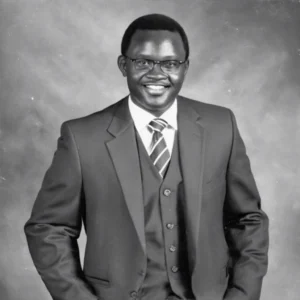
Jacob Zuma, leader of the uMkhonto weSizwe (MK) Party, dissolved the party’s Presidential Task Team on 28 July 2026 and appointed a new Strategic Presidential Team as the highest decision-making authority, while also naming his son, Duduzane Zuma, as the party’s first deputy president on 10 August 2026. In the same period, Zuma assumed direct control of the party’s finances, revoking all other officials’ signing authority, and appointed Mpiyakhe Fanyana Limba as treasurer-general following Dr Thanti Mthanti’s resignation, according to statements from the party and media reports.
Centralised Decision-Making And Financial Control
Zuma’s moves have fundamentally altered the structure and governance of the MK Party since he became its official leader in April 2024, replacing Jabulani Khumalo. According to reporting by The Citizen and the Daily Maverick, Zuma now holds the sole authority to decide on party appointments and expenditure, ending collective oversight by party officials over finances and leadership appointments.
In his justification for these changes, Zuma stated, “I did say from the beginning that I do not want any people to be elected because it is a problem. But I left it because the comrades said, ‘Let’s do it’. Now the problem that I was trying to avoid is upon us. I wanted to do this alone and [be able to] say ‘you and you and you’, based on my knowledge of them,” as quoted by the Daily Maverick. His actions have raised debate around the level of internal democracy within MK Party structures.
Restructuring Timeline And Implications For The Party
Since 16 April 2024, when Zuma was confirmed as party leader by the IEC’s Masego Sheburi, the MK Party has seen a rapid turnover in key positions. The appointment of Limba as treasurer-general on 28 March 2025 and the replacement of the Presidential Task Team with the Strategic Presidential Team mark significant consolidations of authority under Zuma and his close associates.
These developments have prompted attention from MK supporters and critics alike, with observers noting the potential impact on party unity and future policy direction. Zuma’s centralised approach to leadership reflects a marked departure from collaborative governance models commonly used in other South African parties. As the new party structures settle, all eyes remain on the next phase of policy and organisational development within the MK Party.
The IEC confirmed that Jabulani Khumalo is no longer party leader, saying, “The party has given us notice that Jabulani Khumalo is no longer the leader of MK party,” as reported by Business Day.
The Strategic Presidential Team is now expected to convene, with further announcements on policy and candidate selections anticipated in the coming months.
 Zulu
Zulu  English