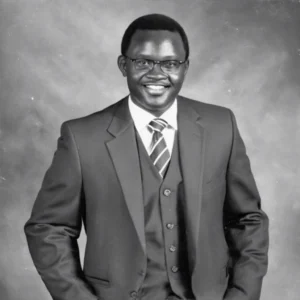
During his tenure as South Africa’s Minister of Justice and Correctional Services from 2019 to 2024, Ronald Lamola took significant steps to address the backlog of apartheid-era crimes identified by the Truth and Reconciliation Commission (TRC), resulting in a major increase in the active prosecution of these cases, the conviction of former security officials, and renewed national debate on justice and reconciliation.
Major Boost To TRC-Linked Prosecutions
Lamola directed the National Prosecuting Authority (NPA) to reinvigorate stalled TRC prosecutions, and secured additional resources by engaging the National Treasury for increased funding. According to the Department of Justice, his efforts enabled the appointment of 23 prosecutors and 34 Directorate for Priority Crime Investigation (DPCI) investigators dedicated to these historic crimes.
By March 2022, the number of TRC-related cases under active attention had more than doubled to 115, up from 53 in April 2021. In 2025, these efforts culminated in the conviction of former Security Branch and Reaction Unit officers for the 1987 murder of anti-apartheid activist Caiphus Nyoka, a case long delayed by systemic inertia and limited resources, according to media reports and official records.
Symbolic Actions And Continuing Legal Challenges
Lamola underscored his administration’s commitment to justice and remembrance by officiating the symbolic burial of four Mamelodi activists in July 2023, an event held at Freedom Park in Pretoria, as confirmed by the Department of Justice. Speaking during various engagements, Lamola emphasised, “Your commitment and dedication continue to inspire us, rest assured that the services you render to the people of South Africa, are of paramount importance.”
Despite notable progress, legal challenges persisted. In July 2026, the Pietermaritzburg High Court dismissed further investigation into the 1981 murder of human rights lawyer Griffiths Mxenge, citing previous convictions and amnesty awards by the TRC as grounds, according to court documents. This ruling reignited debate over the adequacy of earlier processes and the demands of affected families for closure.
The legacy of Lamola’s tenure is likely to shape justice sector and reconciliation efforts for years to come, as South Africa navigates the ongoing demands for accountability and healing from the country’s apartheid past.
 Zulu
Zulu  English